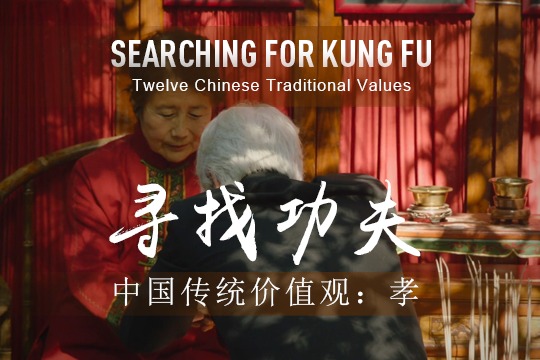
12 Traditional Chinese Values: Piety
Introduction
Piety, known as xiao in Chinese, is one of the 12 Traditional Chinese Values and is deeply rooted in Chinese culture. It epitomizes the profound respect and reverence individuals should have towards their parents and elder family members. This value is more than mere respect; it encompasses a sense of duty, obligation, and devotion towards family, reflecting the importance of familial bonds in Chinese society.
Historical Background
The historical roots of piety in China can be traced back to ancient philosophical traditions. It has been a cornerstone of Chinese family ethics for thousands of years, heavily influenced by Confucianism, which emphasizes the importance of familial harmony and respect for one's elders. The concept of piety has been documented in numerous historical texts, including The Analects by Confucius, where it is highlighted as a fundamental virtue for personal development and societal stability. Over the centuries, piety has persisted as a critical component of Chinese moral education, shaping the behaviors and attitudes of generations. It has played a pivotal role in maintaining the structure and integrity of the Chinese family system, serving as a guide for the young to respect and care for their elders.
Cultural Significance
Piety holds significant cultural importance in Chinese society as it forms the bedrock of familial and social harmony. It is viewed not only as a personal virtue but also as a social obligation that ensures the continuity of family traditions and the maintenance of social order. The concept of piety extends beyond individual families, influencing community relationships and national ethos. In Chinese culture, piety is often associated with rites and ceremonies that honor ancestors and uphold family values. It is celebrated during festivals such as the Qingming Festival, where families pay respects to their ancestors by visiting graves and making offerings. This cultural practice highlights the enduring significance of piety as a means of connecting the present with the past and reinforcing the collective identity of the Chinese people.
Core Concepts of Piety
The core concepts of piety revolve around respect, care, and devotion towards one's parents and elderly family members. It emphasizes a reciprocal relationship where children are expected to honor and support their parents, both emotionally and materially. This obligation is not limited to financial support but includes providing companionship, understanding, and care in old age. Piety is also about setting an example for future generations, ensuring that the values of respect and devotion are passed down and preserved.
Filial piety is perhaps the most well-known aspect of xiao and is a central tenet of Chinese ethical beliefs. It is the virtue of showing reverence and respect to one's parents and ancestors, considered a fundamental duty of all children. In traditional Chinese society, filial piety is seen as the foundation of moral conduct and a prerequisite for achieving personal and societal harmony. It calls for children to respect their parents' wishes, provide for their wellbeing, and honor them even after their passing through rituals and ceremonies. Filial piety is extensively discussed in Confucian texts and is regarded as a canonical virtue that embodies the core principles of Chinese familial relationships.
Piety in Confucianism
In Confucianism, piety is regarded as one of the most important virtues. Confucius emphasized the significance of piety as a moral principle that extends beyond family relations to influence the ethical framework of society at large. He believed that filial piety was the root of all virtues and the foundation of ethical behavior. Confucian teachings advocate for a hierarchical structure within the family, where respect and obedience flow from children to parents and younger to older family members. This hierarchy is meant to cultivate a sense of order and respect, not only within the family but also in the community and nation. Confucianism posits that if everyone fulfills their familial duties, social harmony and stability will naturally follow, as the family is seen as a microcosm of society.
Influence on Chinese Society
The influence of piety on Chinese society is profound and pervasive, shaping social norms, laws, and customs. It affects how individuals interact within the family and with the wider community, promoting values of respect, responsibility, and loyalty. The concept of xiao has historically guided the development of legal and social policies, reinforcing the importance of family loyalty and support. In education, the teachings of piety are integrated into moral curricula, ensuring that each generation understands and upholds these values. Piety has influenced social behaviors, encouraging community support systems where families take care of their elderly and uphold traditions. This value has also impacted the business world, where family-run enterprises often emphasize loyalty and respect within organizational structures.
Modern Interpretation of Piety
In contemporary society, the interpretation of piety has evolved, adapting to modern lifestyles and challenges. While traditional values still hold relevance, the practice of xiao is now more flexible, reflecting changes in family dynamics and social structures. Modern interpretations emphasize mutual respect, communication, and emotional support rather than strict obedience. The value of piety is increasingly viewed in the context of equality and partnership, where both parents and children work together to maintain family harmony. This shift is evident in urban areas where nuclear families and individualistic lifestyles are more common. However, despite these changes, the essence of piety remains a guiding principle in Chinese culture, providing a moral compass for navigating familial and social relationships.
Piety in Chinese Literature
Chinese literature is replete with examples of piety, showcasing its significance in Chinese culture and thought. Classical texts, such as Confucius's The Analects and The Book of Filial Piety, provide philosophical insights into the importance of Xiao. These works explore themes of loyalty, respect, and duty, highlighting the moral and ethical dimensions of piety. Folklore and literary classics, like the Twenty-Four Filial Exemplars, depict historical and mythical figures who embody the virtues of filial piety, serving as role models for generations. In modern literature, piety continues to be a prevalent theme, reflecting both the continuity of traditional values and the evolving interpretations of familial relationships.
Piety in Chinese Art
Chinese art, like literature, reflects the cultural importance of piety through various mediums, including painting, calligraphy, and sculpture. Traditional Chinese paintings often depict scenes of family life and ancestor worship, emphasizing the beauty and serenity of filial relationships. Calligraphic works featuring Confucian maxims and proverbs about piety grace many Chinese households, serving as daily reminders of the value of respect and devotion. Sculptures and carvings, particularly those found in temples and ancestral halls, often illustrate historical tales and figures renowned for their filial piety, providing visual narratives that celebrate and perpetuate these virtues.
Comparison with Other Cultures
While the concept of piety is central to Chinese culture, similar values exist in other cultures worldwide, each with its unique interpretation and practice. In many Asian societies, filial piety is a shared value, with variations according to cultural and religious contexts. For instance, in Japanese culture, the concept of "Oyako" emphasizes the bond between parents and children, akin to Chinese filial piety. Comparative studies between Chinese piety and similar values in other cultures reveal both universal principles and distinct cultural expressions, highlighting how societies prioritize familial relationships and the moral obligations they entail.








